
Awareness Goes Viral: Lessons from the Breast Cancer Meme
A few years ago, a Facebook breast cancer awareness meme swept across timelines. Women were posting cryptic status updates like “I like it on the floor” or sharing coded messages meant to spark curiosity. The idea was simple: raise awareness for breast cancer through intrigue and participation.
At first glance, it felt powerful. Fun. Mysterious. Viral.
But when we step back and analyze it through the lens of our textbook, the case becomes much more layered. It’s a perfect example of how something can explode online, yet struggle to create meaningful change.
Let’s talk about it.
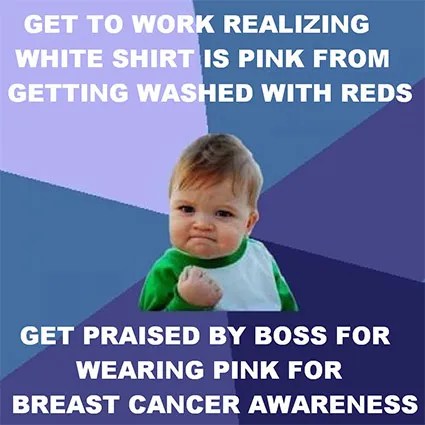
Why Was the Meme So Viral?
From individuals point of view, the meme was effective because it directly addressed basic psychological drivers.
Curiosity and Inside Jokes
The posts were intentionally vague. When someone saw multiple friends posting similar cryptic messages, curiosity kicked in. Humans hate being left out of the loop. That tension drives engagement.
This aligns with what we learned in early chapters about attention economics in crowded social media environments, content must interrupt scrolling behavior. Mystery is a powerful interrupter.
Low Barrier to Participation
Participating required almost no effort. No donation. No event attendance. No long caption. Just copy, paste, post.
Chapter 2 emphasizes how successful social campaigns reduce friction. This meme mastered that. It was what we might call frictionless advocacy.
Social Identity and Community Signaling
Posting the meme signaled membership in a group, women supporting women. It created a sense of belonging.
In Chapter 3, we explored how social media enables identity expression. Sharing the meme allowed users to publicly align themselves with a socially valued cause like breast cancer awareness without needing to explain much.
Emotional Lightness
Unlike traditional breast cancer campaigns that can be heavy or somber, this meme was playful. It felt safe. It didn’t force people to confront fear, illness, or loss directly.
Emotionally, that made it easier to share.
Why Did Thousands Want to Participate?
Honestly? Because it felt good.
Social media is deeply tied to emotional rewards. Participating in the meme delivered:
- A sense of solidarity
- Social validation (likes, comments, DMs asking “What does this mean?”)
- The feeling of “doing something” for a good cause
Chapter 1 discusses how digital participation often fulfills psychological needs before civic ones. This meme gave people a quick dopamine hit of activism without demanding vulnerability.
It also used peer-to-peer diffusion, a key concept from Chapter 4. The message spread through personal networks, not through an official organization. That peer credibility accelerated sharing.
In short, it was socially contagious.
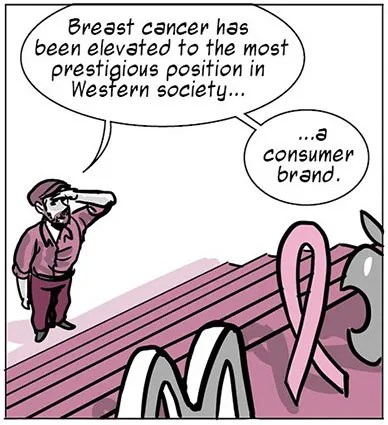
Where Did the Meme Fall Short?
Here’s where things get complicated.
While the meme generated visibility, it didn’t effectively mobilize users.
There was:
- No direct link to donation pages
- No clear educational information about breast cancer
- No call to action
- No measurable behavioral outcome
From a strategic communication standpoint, this is where it broke down.
In Chapter 2, we learned that awareness is not the same as action. Social change requires a pathway:
Attention → Engagement → Commitment → Action → Impact
The meme stopped at attention and light engagement.
It also lacked message clarity. Many people who saw the posts didn’t even know they were related to breast cancer awareness. If awareness is the goal, ambiguity works against you.
Scholars refer to this as slacktivism, or symbolic participation without structural impact.
How Could It Have Made a Bigger Difference?
If we apply principles from previous chapters, a few improvements stand out:
Clear Call-to-Action Integration
Imagine if every post ended with:
- A donation link
- A link to schedule a mammogram
- A fact about early detection
- A hashtag connecting to a broader campaign
That small addition could have converted curiosity into contribution.
Strategic Framing
Chapter 3 emphasizes message framing. The meme could have connected the playful intrigue with real statistics or survivor stories to deepen emotional investment.
Instead of stopping at “I like it on the floor,” it could transition into:
“1 in 8 women will be diagnosed with breast cancer. Let’s change that.”
Partnership with Organizations
In Chapter 4, we discuss networked movements. If established organizations had amplified the meme and funneled participants into structured campaigns, it could have bridged informal vitality with institutional impact.
Move from Private Signaling to Public Mobilization
The meme centered on coded, semi-private communication. Strategic campaigns, however, benefit from visible alignment and collective action.
Public commitments, such as profile frames, fundraising challenges, and event registrations, generate momentum that goes beyond curiosity.
Bigger Lessons from Chapters 1–4
This case reveals something crucial about strategic social media:
Virality ≠ Social Change
Virality is about spread.
Social change is about structure.
The breast cancer meme mastered spread.
It struggled with structure.
From what we’ve learned so far in the book:
- Strategy must precede tactics. The meme was a tactic without a long-term strategic roadmap.
- Engagement must be meaningful. Clicks and shares are shallow metrics if they don’t translate into behavioral shifts.
- Emotion drives participation but direction drives impact.
- Networks amplify messages, but leadership channels momentum.
Most importantly, Chapter 1 reminds us that digital spaces amplify what already resonates socially. Breast cancer awareness is already culturally significant. The meme rode that emotional foundation but it didn’t deepen it.

The Moral Lesson
As humans, we want to feel helpful. We want to belong. We want to be a part of something bigger than ourselves, especially when it comes to issues affecting people we care about.
The breast cancer meme gave people that feeling.
But feeling involved and being impactful are not always the same thing.
Strategic social media asks a harder question:
How do we design participation that actually moves the needle?
The answer lies in intentionality. In aligning emotional triggers with actionable outcomes. In moving beyond awareness toward mobilization.
The case study isn’t a failure, it’s a lesson.
It shows us that social media can spark attention in seconds. But transforming that spark into sustained social change requires design, direction, and strategy.
And that is exactly what we have been learning in the previous chapters.
 Orriel Paul - MKT 555
Leave a comment