What Orkut Can Still Teach Us About Social Media Strategy
Not every social media platform that changes the internet sticks around forever.
Before the dominance of platforms like Facebook and Instagram, there was another network that quietly shaped the early social media landscape: Orkut.
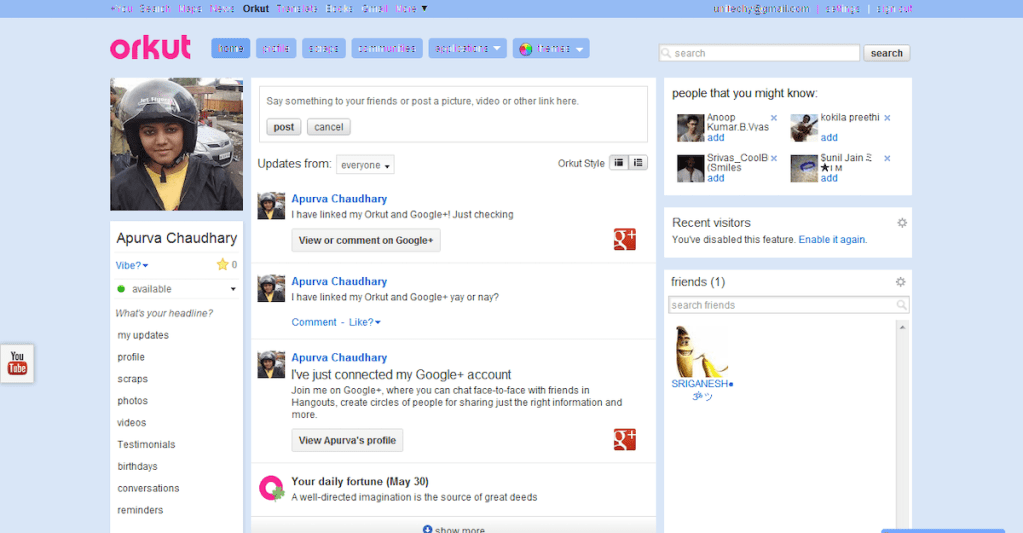
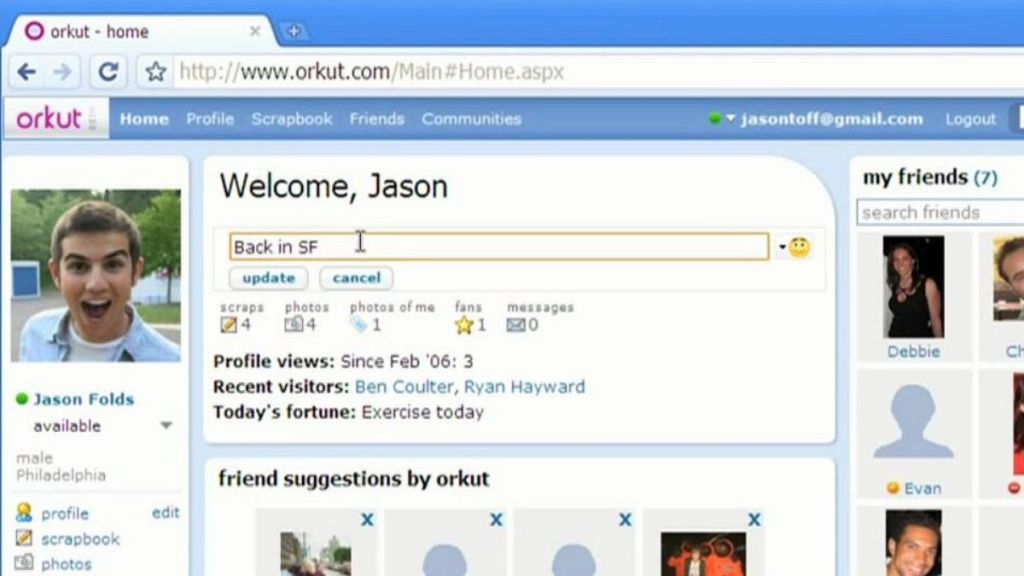
Launched in 2004 by Orkut Büyükkökten and backed by Google, Orkut quickly became one of the most popular social networking sites in the world especially in Brazil, where the majority of its users were located. At its peak, it had around 30 million users and was considered a leader in online communities.
But like many early social networks, Orkut eventually disappeared. The platform officially shut down in 2014.
Even though the platform is gone, the lessons it leaves behind are still incredibly relevant especially when thinking about social media strategy today.
How Orkut Successfully Used a Marketing Action Plan
/One of the biggest reasons Orkut succeeded early on was because it understood something many brands and platforms are still learning today: people join social media for connection, not just content.
Orkut built its platform around communities. Users could join groups based on shared interests, schools, workplaces, or hobbies. These communities became spaces where conversations happened naturally, which meant information and recommendations spread organically.
Instead of relying on traditional broadcast-style marketing, Orkut allowed users to interact, participate, and influence each other. That approach aligns closely with the marketing action strategies discussed in Strategic Social Media: From Marketing to Social Change particularly the shift from simply delivering messages to creating interactive spaces where people contribute to the conversation.
Another thing Orkut did well was create social credibility within the platform. Users could rate each other on characteristics like trustworthiness or friendliness. While that feature might seem unusual today, it helped establish a sense of identity and social validation within the network.
These elements made the platform feel less like a website and more like a digital community.
Where Orkut Fell Short
Even though Orkut had a strong community structure, it struggled to keep up with the rapid evolution of social media.
One of the major challenges was innovation. As platforms like Facebook began improving their features and user experience, Orkut did not adapt quickly enough. Users began experiencing technical issues such as slow loading pages and limitations on the number of friends they could have.
Another issue was the platform’s difficulty keeping up with changing user behavior. Social media users began shifting toward more visual and multimedia communication. Video, photo sharing, and integrated feeds became increasingly important, and other platforms offered those features more effectively.
In social media, staying relevant requires constant adaptation. When platforms stop evolving alongside their users, people eventually migrate elsewhere.
That’s exactly what happened here.
What Orkut Revealed About the Digital Consumer
One of the most interesting parts of the Orkut case study is how clearly it illustrates the changing role of the digital consumer.
In traditional marketing models, audiences were mostly passive. Brands created messages, and consumers received them.
Social media completely changed that dynamic.
On Orkut, users were not just reading information they were creating communities, discussing ideas, recommending products, and influencing each other’s decisions. In many ways, Orkut helped highlight the shift toward participatory culture, where consumers actively shape the conversations happening around brands and products.
Today, this behavior is the foundation of platforms like TikTok and modern community spaces such as Reddit.
The digital consumer is no longer just an audience member. They are a participant, collaborator, and influencer within the social ecosystem.
Why Participation Works Better Than Diffusion
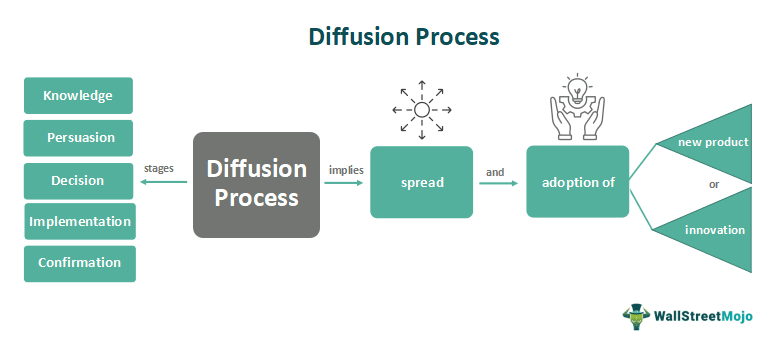
Traditional marketing strategies often relied on what is known as a diffusion model sharing a message widely and hoping it spreads.
But platforms like Orkut showed that participation is often far more powerful than simple exposure.
When people participate in a discussion, they feel more connected to the content and to the community surrounding it. That connection encourages them to share ideas, invite others, and keep conversations going.
Participation creates momentum.
Instead of brands pushing messages outward, communities help carry those messages forward naturally. That’s why many successful social media campaigns today rely on interactive elements such as challenges, discussions, user-generated content, and collaborative storytelling.
Connecting the Orkut Case to Broader Social Media Strategy
Looking across the ideas discussed throughout Strategic Social Media: From Marketing to Social Change, the rise and fall of Orkut highlights several key lessons about social media strategy.
Community matters.
Platforms that foster strong communities tend to create deeper engagement and loyalty.
Trust drives influence.
People often trust recommendations from friends or online connections more than traditional advertising.
Culture shapes digital behavior.
Orkut’s popularity in Brazil shows how social media success can depend heavily on cultural alignment.
Innovation cannot stop.
Even successful platforms must continue evolving to stay relevant in the fast-moving digital environment.
In many ways, Orkut anticipated many of the social media behaviors we see today it simply couldn’t keep pace with the rapid evolution of the industry.
What Marketers Can Learn From Orkut Today
Looking back at Orkut offers an important reminder: technology alone does not build successful social media platforms, communities do.
For marketers, the takeaway is simple but powerful. Social media strategies should focus less on broadcasting content and more on creating opportunities for conversation and participation.
The brands that succeed today are the ones that build spaces where audiences feel heard, connected, and involved.
Because at the end of the day, social media has never really been about the platform.
It’s about the people using it.
 Orriel Paul - MKT 555
Leave a comment