
Module Six

What the Weixin Case Study Taught Me About Knowing Your Audience in Social Media Marketing

One of the biggest takeaways from Chapter 5 of Strategic Social Media: From Marketing to Social Change is something that sounds simple but is actually the foundation of every successful social media strategy: you have to truly understand your audience. The case study about Weixin really drives this point home.

As someone studying social media marketing and working in the creative and branding space, this case made me think about how platforms succeed not just because of technology but because they design their entire experience around how people actually live their lives.

Knowing Your Audience as a Social Media Practitioner

Before creating any campaign, one of the most important things marketers can do is learn as much as possible about their audience. That includes understanding demographics, behaviors, cultural context, and how people actually use digital platforms in their everyday routines.

As a practitioner, this means going beyond basic metrics like follower counts or likes. It involves things like:

  • Studying analytics and user behavior data
  • Listening to conversations happening in online communities
  • Conducting surveys or polls
  • Monitoring trends and platform usage patterns
  • Observing how audiences interact with content in real time

Platforms and brands that succeed tend to treat social media as a two-way conversation, not just a place to push messages. Tools like social listening dashboards and analytics platforms help marketers track engagement patterns and learn what audiences truly value.

This is exactly what Weixin did extremely well.

How Weixin Successfully Understood Its Audience

Tencent developed Weixin specifically with Chinese users in mind. Instead of simply copying Western social platforms, the platform evolved based on how people in China communicate, shop, travel, and pay for services.

Weixin’s creators paid close attention to user behavior and built features that matched everyday life. Over time, the app became much more than messaging it became an entire digital ecosystem.

For example, users can:

  • Send messages and voice notes
  • Pay for services using WeChat Pay
  • Book transportation or food delivery
  • Follow brands and influencers
  • Access mini-apps without leaving the platform

Because of this integration, Weixin became part of users’ daily routines, not just another social media platform.

You can learn more about the platform here:
https://www.tencent.com/en-us/business/weixin.html

Designing Features Around Audience Needs

What really stands out about Weixin is how its features align with what users actually want. Instead of separating communication, shopping, and services across multiple apps, Weixin centralized everything in one place.

Some features that reflect audience needs include:
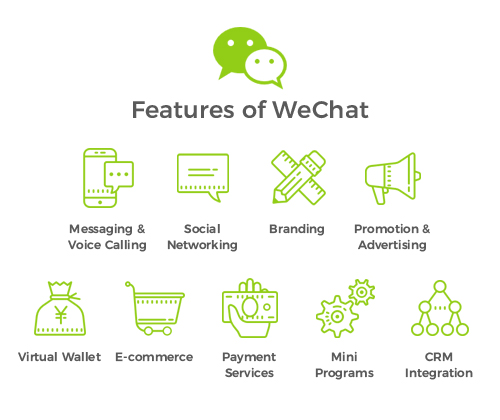
Messaging and Voice Communication
Voice messaging became extremely popular in China because it allows people to communicate quickly without typing long messages.

Mobile Payments
WeChat Pay made everyday purchases easy, from restaurants to taxis, creating a seamless digital payment culture.

Mini Programs
Businesses can create mini apps within Weixin, allowing users to order services or shop without downloading additional apps.

This strategy reflects a core social media marketing principle: meet your audience where they are and make their lives easier.

More about WeChat’s ecosystem:
https://www.wechat.com/en/

Can Social Media Be Personalized for Different Users?

Another interesting question from the case study is whether people from different backgrounds can individualize social media platforms for their own lives.

The answer is absolutely yes.

Social media platforms today function more like customizable environments than one-size-fits-all tools. Users personalize their experiences by:

  • Choosing who they follow
  • Engaging with specific communities
  • Using features that fit their lifestyle
  • Curating the content they see

For example, a college student might use Weixin for messaging friends and paying for meals, while a business owner might use it to manage customer interactions and promote products.

The same platform supports completely different user journeys depending on the individual.

What This Case Study Taught Me About Social Media Marketing

From a marketing perspective, the Weixin case study reinforces several key ideas we’ve discussed throughout this course.

Audience Insight Drives Everything

A successful platform or campaign begins with deep audience understanding. If you don’t understand your users’ habits, culture, and motivations, even the most advanced technology will fail.
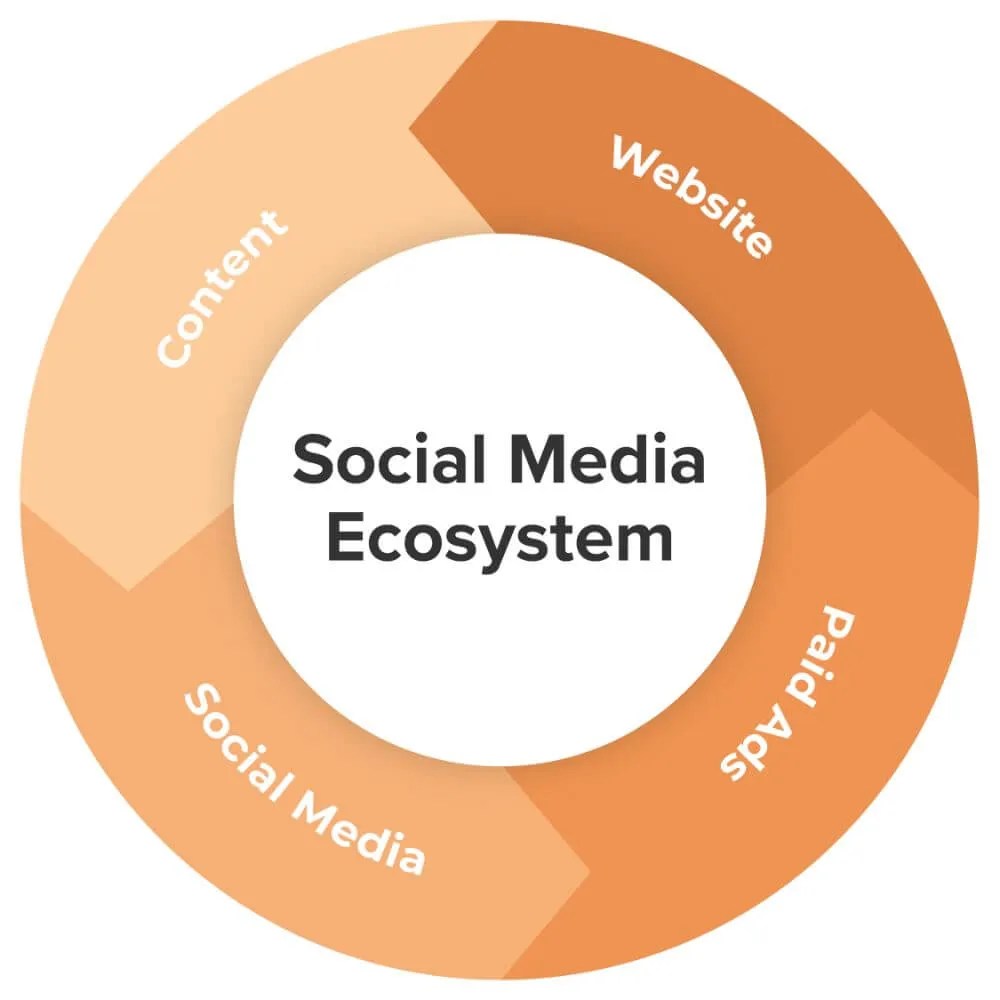
Social Media Is an Ecosystem

Today, platforms are more than just communication instruments, they are digital ecosystems that combine entertainment, commerce, community, and communication.

Convenience Builds Loyalty

Weixin succeeded because it simplified everyday life. When a platform becomes useful in multiple aspects of daily routines, users stay engaged.

Community and Personalization Matter

Users want platforms that feel relevant to their individual needs, and personalization allows social media to serve diverse audiences simultaneously.

Final Thoughts

The Weixin case study shows that social media success isn’t just about flashy campaigns or viral content. It’s about deeply understanding your audience and designing experiences that fit naturally into their lives.

As someone who studies social media marketing and works in branding, this reinforces something I’ve noticed in the design world: the best strategies begin with empathy. When you truly understand your audience, everything from content to features to messaging improves in effectiveness.

And platforms like Weixin demonstrate that when built around real human behavior, social media can become much more than just a communication tool; it can become an integral part of daily life.

References

Freberg, K. (2021). Strategic social media: From marketing to social change (2nd ed.). SAGE Publications.

Tencent. (n.d.). Weixin/WeChat platform overview. https://www.tencent.com/en-us/business/weixin.html

WeChat. (n.d.). https://www.wechat.com/en/

Responses

  1. Ongoing monitoring and evaluation are crucial for strategic success, enabling organizations to track progress, identify challenges early, and adapt strategies. In social media marketing, rapid changes in consumer behavior, platform algorithms, and competition require continuous performance tracking through analytics, social listening, and performance reports. This helps ensure strategies meet objectives, allocate resources effectively, refine messaging, and stay aligned with customer needs and business goals. Without ongoing monitoring, strategies risk becoming outdated or ineffective as market conditions change.

    Like

  2. Hi Orriel,

    I really enjoyed your analysis of Weixin and its all-in-one functionality. One idea I would build on is how this level of integration changes the role of both marketers and users.

    In Strategic Social Media: From Marketing to Social Change, Chapter 11, the authors explain that marketers no longer control the message. Instead, value is co-created through interactions between users, platforms, and brands. Weixin takes this even further by combining messaging, social networking, and commerce into one ecosystem, where users actively shape content and brand perception.

    I also think your post could connect more to evaluation. Chapter 12 highlights that success in social media is less about reach and more about engagement.   On platforms like Weixin, behaviors such as sharing and interacting provide deeper insight into how users participate.

    Overall, great post. Adding more emphasis on participation and engagement metrics would strengthen the connection to social media marketing theory.References:Mahoney, L. M., & Tang, T. (2016). Strategic Social Media: From Marketing to Social Change. Wiley Global Research (STMS). https://mbsdirect.vitalsource.com/books/9781118556900American Marketing Association. (2014). Social media success metrics: Special report. Retrieved from https://www.ama.org/ecdfilerepository/special-report-social-media-success-metrics.pdf

    Like

  3. Hi!,

    Your blog post provides a strong analysis of how social media marketing strategies must adapt to changing audience behaviors and platform dynamics. I appreciate your emphasis on engagement and the importance of aligning content with audience expectations.

    One key takeaway I noticed from your post is how brands must move beyond simply posting content and instead focus on creating meaningful interactions with their audience. This reflects the shift from traditional “push” marketing to a more interactive, relationship-focused approach in social media environments.

    Additionally, your discussion highlights how different platforms require different strategies. This reinforces the idea that marketers must understand both the functionality of each platform and the behaviors of their target audience in order to be effective.

    I like how your blog clearly demonstrates how strategic thinking and adaptability are essential for success in social media marketing, especially as digital trends continue to evolve.

    -Lamar

    Like

  4. Hi Orriel,

    I really like the aesthetics of your blog. The black background and white, clean font makes it super easy to read.

    I also think your post is very well organized. Your content is interesting and the images you added provide helpful insight into WeChat’s features, with detailed descriptions of how each feature was successfully integrated into the everyday lives of its users. As you state, it is important to understand the needs of the customer but becoming more than just another social media platform requires superior and strategic design.

    Our assignment requires our blog posts to be somewhat short, making it sometimes challenging to dive deeply into certain topics. You began discussing Social Media Ecosystems, and I think this is worth exploring further. China has essentially mastered the unification of apps into one extremely large digital community. By successfully creating a system that provides consumers with everything they need, WeChat provided an entire ecosystem that encouraged user loyalty. Liu et al (2025) discusses the value of understanding how digital environments of local communities operate, especially because these ecosystems operate under their own rules and principles.

    Reference:

    Liu, Z.-J., Abdullah, N. B., Sokolovskiy, K., & Karabulatova, I. (2025). Social Media Communities as an Example of a New Type of Communication Ecosystem and Society Clustering. Information & Culture, 60(1), 58–78. https://doi.org/10.1353/lac.00004

    Like

  5. Hi Orriel,

    I really enjoyed reading through your blog post this week! You did a great job with the layout and including images and graphics between all the information provided made it flow nicely, easy to follow, and broke it up nicely. 

    I think you did a great job of including a majority of the information from the case study in a shorter blog post. You emphasized the major point of needing to understand your audience as a marketer or business and the steps Weixin took not only to understand their audience but to build an entire app around their audience and how they live their day to day lives. I like how you highlighted the features that the WeChat app includes, how different users might use the app on a daily basis, and how all these features in one single app is unique and makes them stand apart from any other apps on the market. 

    One thing you discussed in your blog post that I hadn’t necessarily thought of or included in mine was social media ecosystem. I found this part of your blog very interesting and enjoyed your perspective on how a social media ecosystem was built. You also made a great point, which is one that I completely agree with, and that is the fact that social media is more than just a flashy campaign or viral content, but rather the understanding of your audience and genuine relationships you build which ultimately lead to consumer trust and loyalty, and overall success. 

    Best,

    Shannon Desjardins

    Like

Leave a reply to Kevin Belem Cancel reply

From the blog

About the author

Sophia Bennett is an art historian and freelance writer with a passion for exploring the intersections between nature, symbolism, and artistic expression. With a background in Renaissance and modern art, Sophia enjoys uncovering the hidden meanings behind iconic works and sharing her insights with art lovers of all levels. When she’s not visiting museums or researching the latest trends in contemporary art, you can find her hiking in the countryside, always chasing the next rainbow.