
What the Weixin Case Study Taught Me About Knowing Your Audience in Social Media Marketing
One of the biggest takeaways from Chapter 5 of Strategic Social Media: From Marketing to Social Change is something that sounds simple but is actually the foundation of every successful social media strategy: you have to truly understand your audience. The case study about Weixin really drives this point home.
As someone studying social media marketing and working in the creative and branding space, this case made me think about how platforms succeed not just because of technology but because they design their entire experience around how people actually live their lives.
Knowing Your Audience as a Social Media Practitioner
Before creating any campaign, one of the most important things marketers can do is learn as much as possible about their audience. That includes understanding demographics, behaviors, cultural context, and how people actually use digital platforms in their everyday routines.
As a practitioner, this means going beyond basic metrics like follower counts or likes. It involves things like:
- Studying analytics and user behavior data
- Listening to conversations happening in online communities
- Conducting surveys or polls
- Monitoring trends and platform usage patterns
- Observing how audiences interact with content in real time

Platforms and brands that succeed tend to treat social media as a two-way conversation, not just a place to push messages. Tools like social listening dashboards and analytics platforms help marketers track engagement patterns and learn what audiences truly value.
This is exactly what Weixin did extremely well.
How Weixin Successfully Understood Its Audience

Tencent developed Weixin specifically with Chinese users in mind. Instead of simply copying Western social platforms, the platform evolved based on how people in China communicate, shop, travel, and pay for services.
Weixin’s creators paid close attention to user behavior and built features that matched everyday life. Over time, the app became much more than messaging it became an entire digital ecosystem.
For example, users can:
- Send messages and voice notes
- Pay for services using WeChat Pay
- Book transportation or food delivery
- Follow brands and influencers
- Access mini-apps without leaving the platform
Because of this integration, Weixin became part of users’ daily routines, not just another social media platform.
You can learn more about the platform here:
https://www.tencent.com/en-us/business/weixin.html
Designing Features Around Audience Needs
What really stands out about Weixin is how its features align with what users actually want. Instead of separating communication, shopping, and services across multiple apps, Weixin centralized everything in one place.
Some features that reflect audience needs include:
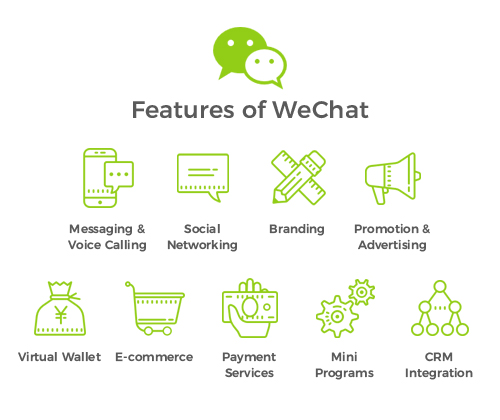
Messaging and Voice Communication
Voice messaging became extremely popular in China because it allows people to communicate quickly without typing long messages.
Mobile Payments
WeChat Pay made everyday purchases easy, from restaurants to taxis, creating a seamless digital payment culture.
Mini Programs
Businesses can create mini apps within Weixin, allowing users to order services or shop without downloading additional apps.
This strategy reflects a core social media marketing principle: meet your audience where they are and make their lives easier.
More about WeChat’s ecosystem:
https://www.wechat.com/en/
Can Social Media Be Personalized for Different Users?
Another interesting question from the case study is whether people from different backgrounds can individualize social media platforms for their own lives.
The answer is absolutely yes.
Social media platforms today function more like customizable environments than one-size-fits-all tools. Users personalize their experiences by:
- Choosing who they follow
- Engaging with specific communities
- Using features that fit their lifestyle
- Curating the content they see
For example, a college student might use Weixin for messaging friends and paying for meals, while a business owner might use it to manage customer interactions and promote products.
The same platform supports completely different user journeys depending on the individual.
What This Case Study Taught Me About Social Media Marketing
From a marketing perspective, the Weixin case study reinforces several key ideas we’ve discussed throughout this course.
Audience Insight Drives Everything
A successful platform or campaign begins with deep audience understanding. If you don’t understand your users’ habits, culture, and motivations, even the most advanced technology will fail.
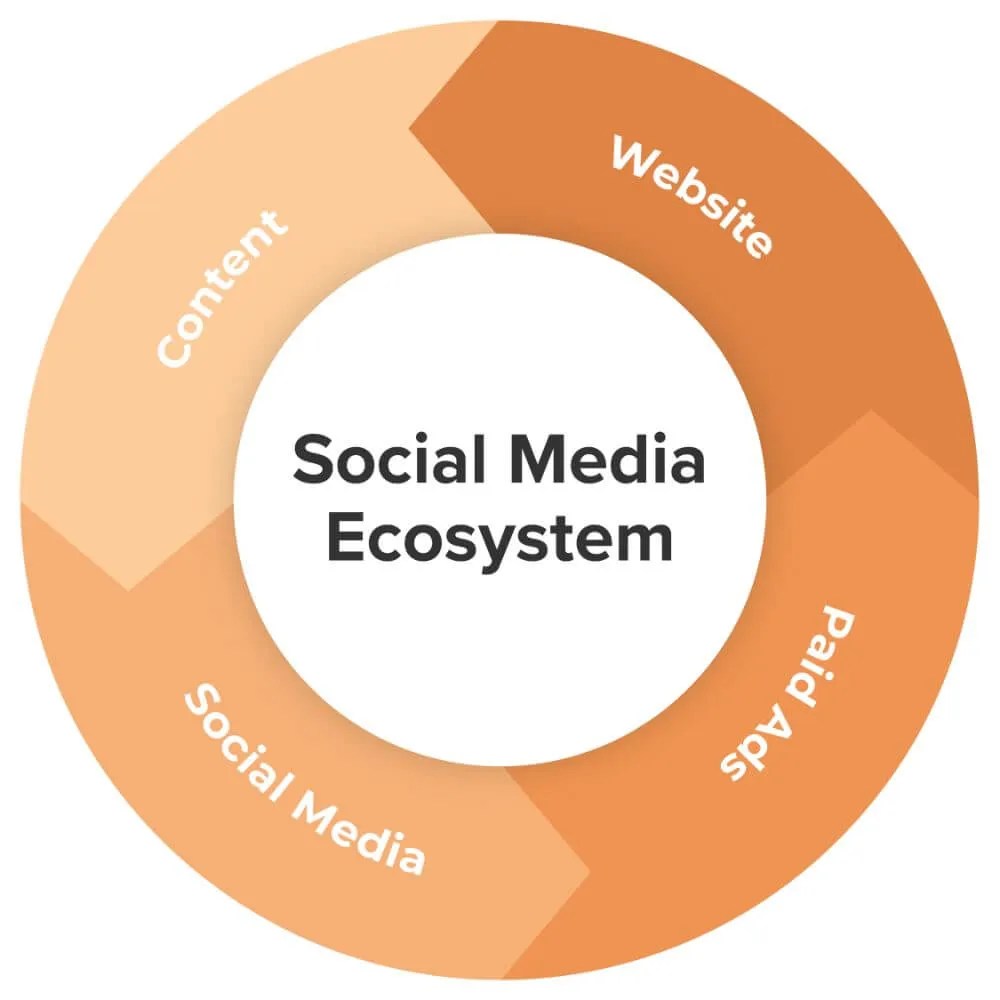
Social Media Is an Ecosystem
Today, platforms are more than just communication instruments, they are digital ecosystems that combine entertainment, commerce, community, and communication.
Convenience Builds Loyalty
Weixin succeeded because it simplified everyday life. When a platform becomes useful in multiple aspects of daily routines, users stay engaged.
Community and Personalization Matter
Users want platforms that feel relevant to their individual needs, and personalization allows social media to serve diverse audiences simultaneously.
Final Thoughts
The Weixin case study shows that social media success isn’t just about flashy campaigns or viral content. It’s about deeply understanding your audience and designing experiences that fit naturally into their lives.
As someone who studies social media marketing and works in branding, this reinforces something I’ve noticed in the design world: the best strategies begin with empathy. When you truly understand your audience, everything from content to features to messaging improves in effectiveness.
And platforms like Weixin demonstrate that when built around real human behavior, social media can become much more than just a communication tool; it can become an integral part of daily life.
References
Freberg, K. (2021). Strategic social media: From marketing to social change (2nd ed.). SAGE Publications.
Tencent. (n.d.). Weixin/WeChat platform overview. https://www.tencent.com/en-us/business/weixin.html
WeChat. (n.d.). https://www.wechat.com/en/


 Orriel Paul - MKT 555
Leave a reply to lamargidden Cancel reply